Articles · Lessons
Reversed Tarot Cards: What They Mean (and Whether to Bother)
Reversed tarot cards are cards that land upside down when you deal. A reversal doesn't flip a card's meaning into its opposite, and it isn't a curse. It shifts the upright meaning: blocked, turned inward, or overdone. And here's the part beginners are rarely told: reading reversals is optional.
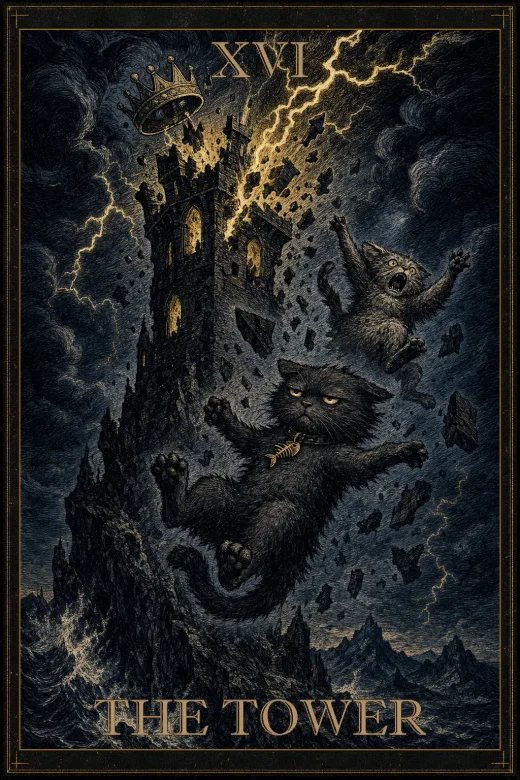
The three common ways to read a reversal
- Blocked: the upright energy is there but stuck. Death reversed is the classic: stagnation, change resisted, staying in a state that's run its course.
- Turned inward: the card is happening privately. The Hermit reversed can be withdrawal shading into hiding.
- Overdone or diluted: the upright meaning at the wrong volume. The Fool reversed tips from open-hearted into careless. And Waite's own book lists The Sun reversed as "the same, in a lesser degree": still a good day, just dimmer.
Pick one lens per reading and let the card's position and your question tell you which fits. You don't need to memorize 78 separate reversed meanings.
Do you have to use reversals?
No. Plenty of experienced readers never use them, and reading everything upright is the standard advice for beginners (it's rule one in our list of beginner tarot mistakes). A 78-card deck already has enough range. Add reversals later, when upright meanings feel easy, and you'll add nuance rather than confusion.
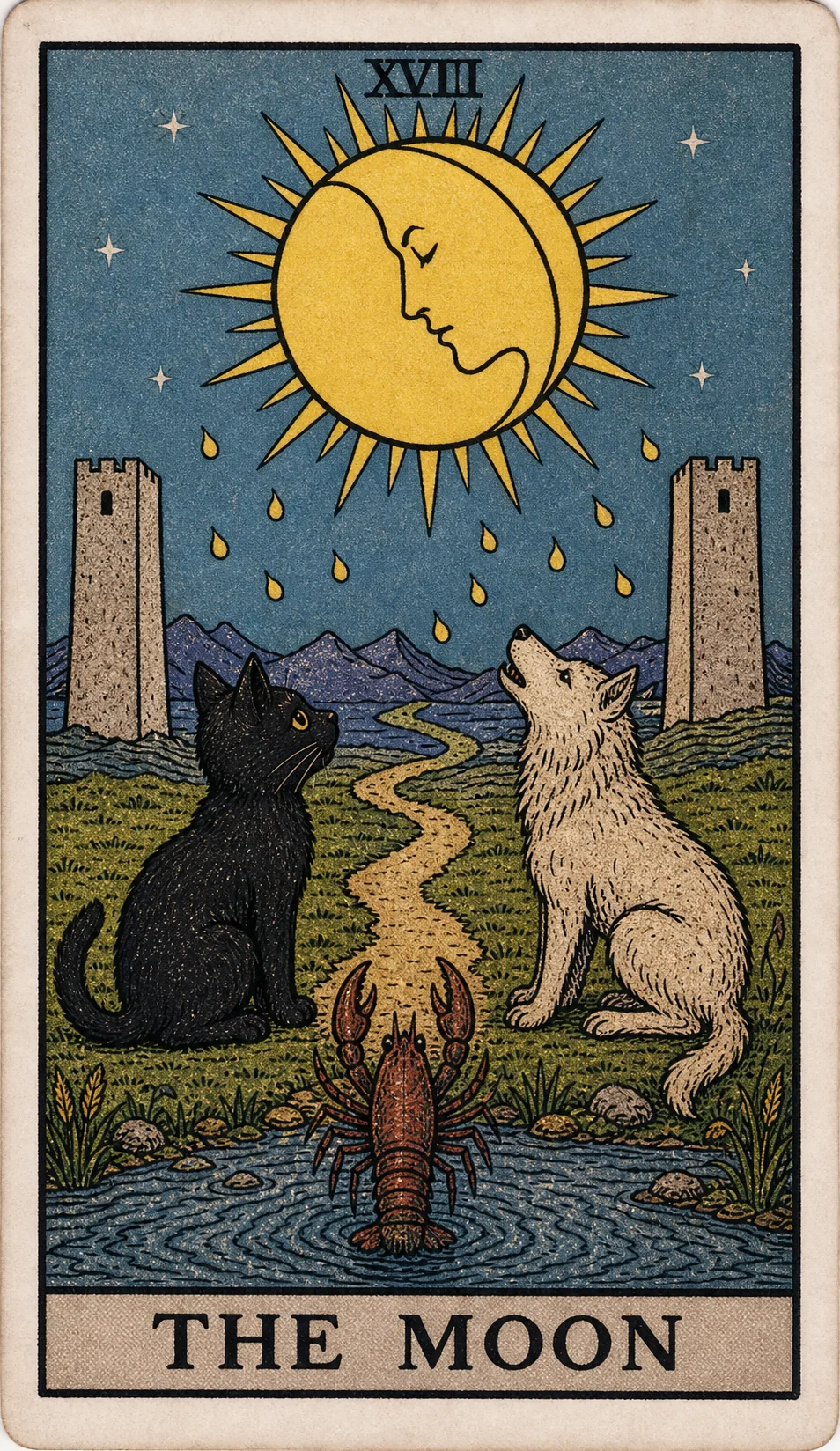
If you want to practice them
Turn reversals on for a week of daily draws and journal what each one felt like. The Toe Bean Tarot app keeps this low-stakes: readings have a reversed-cards toggle you can flip on whenever you're ready, every card's detail page lists its reversed meaning, and the course's reading-technique lessons cover how to interpret them. It's on Google Play.
Not sure what the upright meanings are yet? Start with all 78 tarot card meanings or the one-page cheat sheet.