
Articles · Lessons
Career Tarot Spreads That Give You a Next Step
Career tarot spreads are at their best when they end in a next step instead of a prediction. "Will I get the promotion" gives you a coin flip. "What am I not seeing about this role" gives you something to do on Monday.
Five layouts below, for offers, stalled projects, and the should-I-quit spiral.
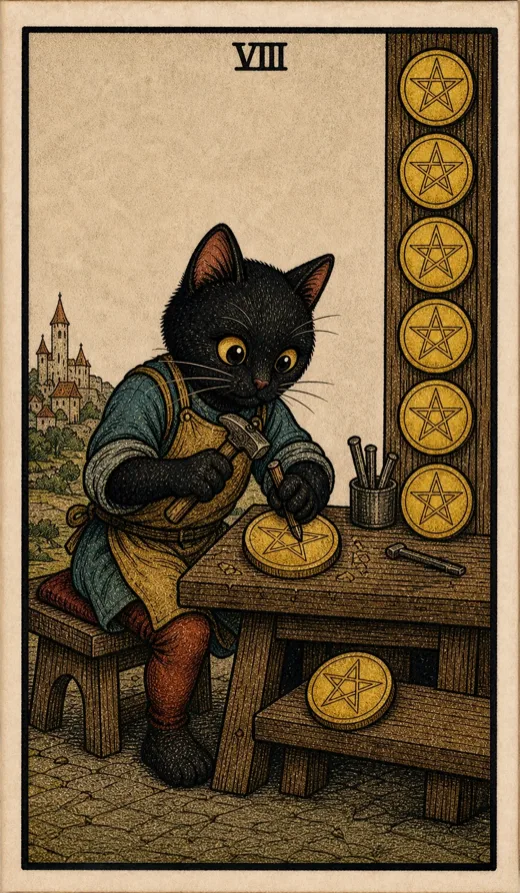
Spread 1: the next step
Three cards. Use this one most.
- Where I am.
- What's blocking me.
- What to do next.
If card three is vague, don't draw again. Sit with it and translate it into one concrete action this week. That translation is the reading.
Spread 2: two offers
Seven cards, in three groups.
- Option A: what it gives, what it costs, where it leads.
- Option B: the same three.
- The seventh card: what you're not seeing about either.
Read the two columns against each other, not one after the other. The comparison is the whole point, and the seventh card is usually the one you remember a week later.
Spread 3: should I stay or go
Four cards, and the order matters.
- What keeps me here.
- What's pushing me out.
- What I'd be walking toward.
- What I'd be leaving behind.
Before you turn any card over, say out loud what you already think the answer is. Then read. If you find yourself arguing with a card, you've learned something about how badly you want one outcome.
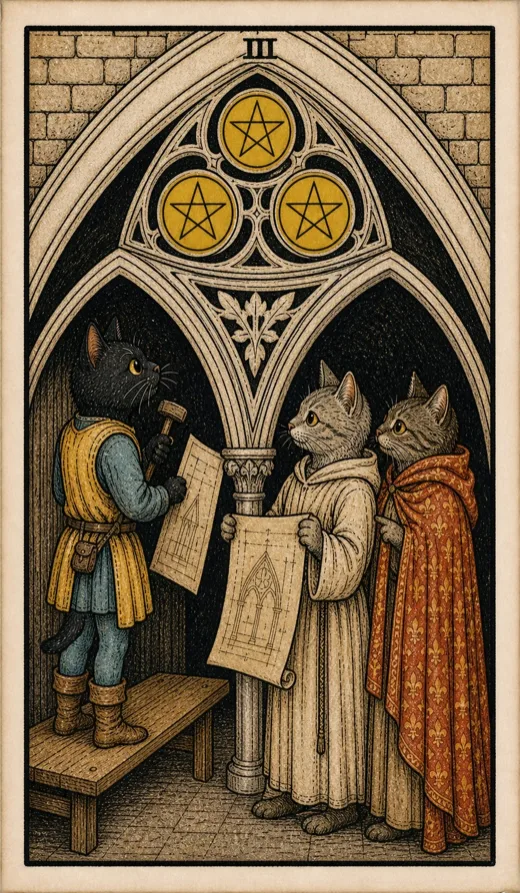
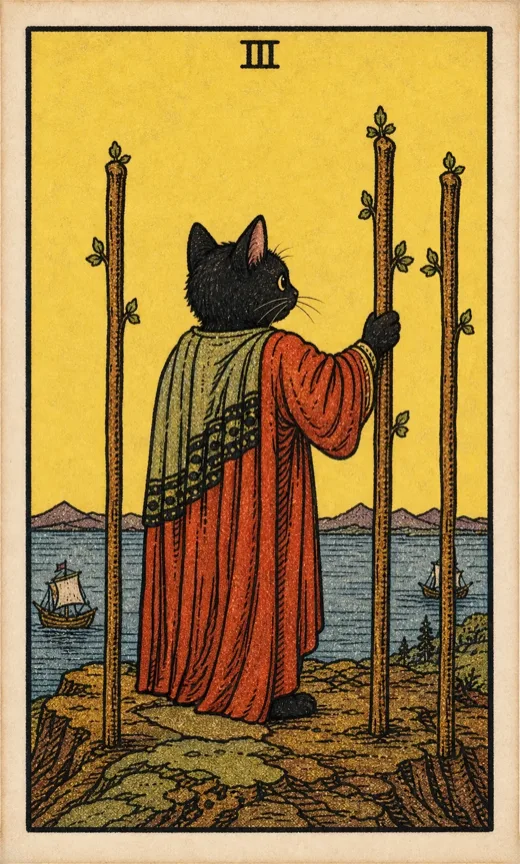
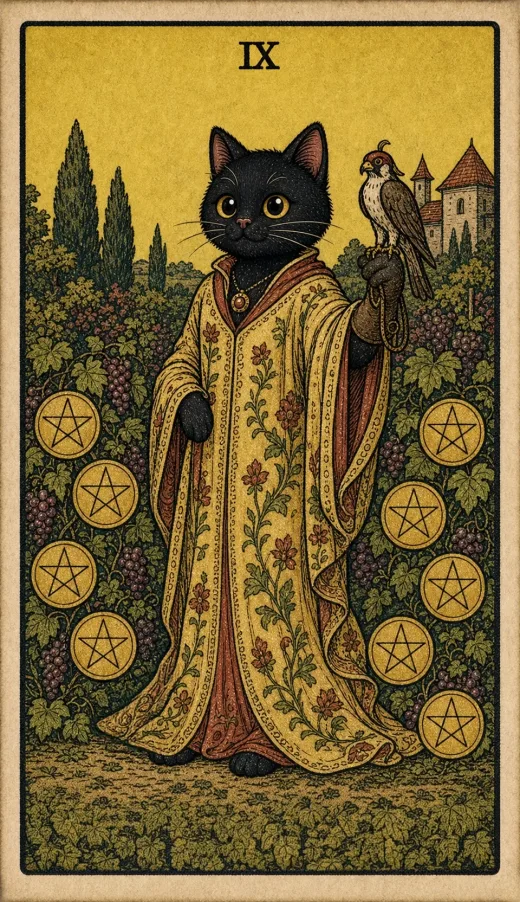
Spread 4: the stalled project
Three cards, for the thing that's been "almost done" for a month.
- Why it stalled.
- What it needs.
- What I'm avoiding.
Card three is the one people skip. Don't skip card three.
Spread 5: the money check-in
Three cards, quarterly rather than daily.
- Where it's going.
- What I'm not looking at.
- What would steady this.
Pentacles turning up here is not a prophecy about your bank balance, it's the suit of the material world doing its job. If you want the suit themes straight, see the Suit of Pentacles.
How to read a decision spread without cheating
- Name your gut first. Write down what you already want. Now you can spot yourself bending a card toward it.
- Read the cost cards properly. The pleasant option with an ugly cost card is the reading, not an error.
- One draw per decision. Re-drawing until the answer flips is how people talk themselves into things.
- Decide with your own brain. The spread surfaces what you're weighing. It doesn't sign the offer letter.
The same discipline applies anywhere you read for yourself, and we've collected the habits in reading tarot for yourself. For other layouts, the tarot spreads guide has the full menu, and better questions will improve any of them.
Keeping a record of what you decided and why is the thing the Toe Bean Tarot app does for you. Readings save to your journal with the question, the date, and every card, so six months later you can look up what you were weighing when you took the job. It's on Google Play.
Quick answers
Can tarot help with career decisions?
It helps the way a good friend with no stake helps: it makes you say what you're weighing out loud. It won't tell you whether you'll get the job.
What's a good tarot spread for a job decision?
Three cards per option, read side by side, plus one card for what you're not seeing. The comparison is where the useful part is.
What should I ask tarot about work?
Ask what would make you a stronger candidate, what's stalling a project, or what you're tolerating. Skip "will I get promoted".
Should I make a big decision based on a tarot reading?
No. Use the reading to surface what you're weighing, then decide with the same brain you use for everything else.