
Articles · Lessons
Rider-Waite vs Thoth vs Marseille: The Three Tarot Systems Explained
Rider-Waite vs Thoth vs Marseille is the choice between tarot's three big families. All three have 78 cards and the same basic structure, but they differ in the art, in what the number cards show, in a few card names and numbers, and in how much you need to know before you can read them. For a first deck, Rider-Waite-Smith is the right pick. The other two are worth understanding so you don't buy one by accident.
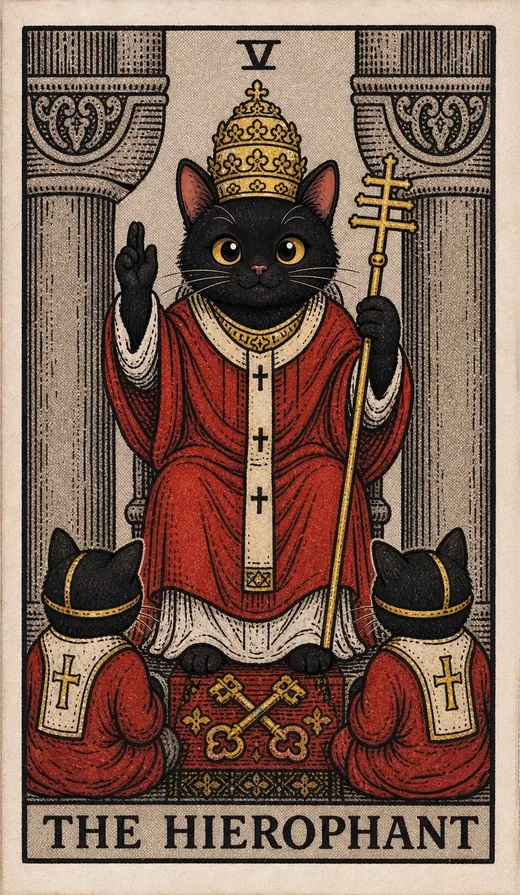
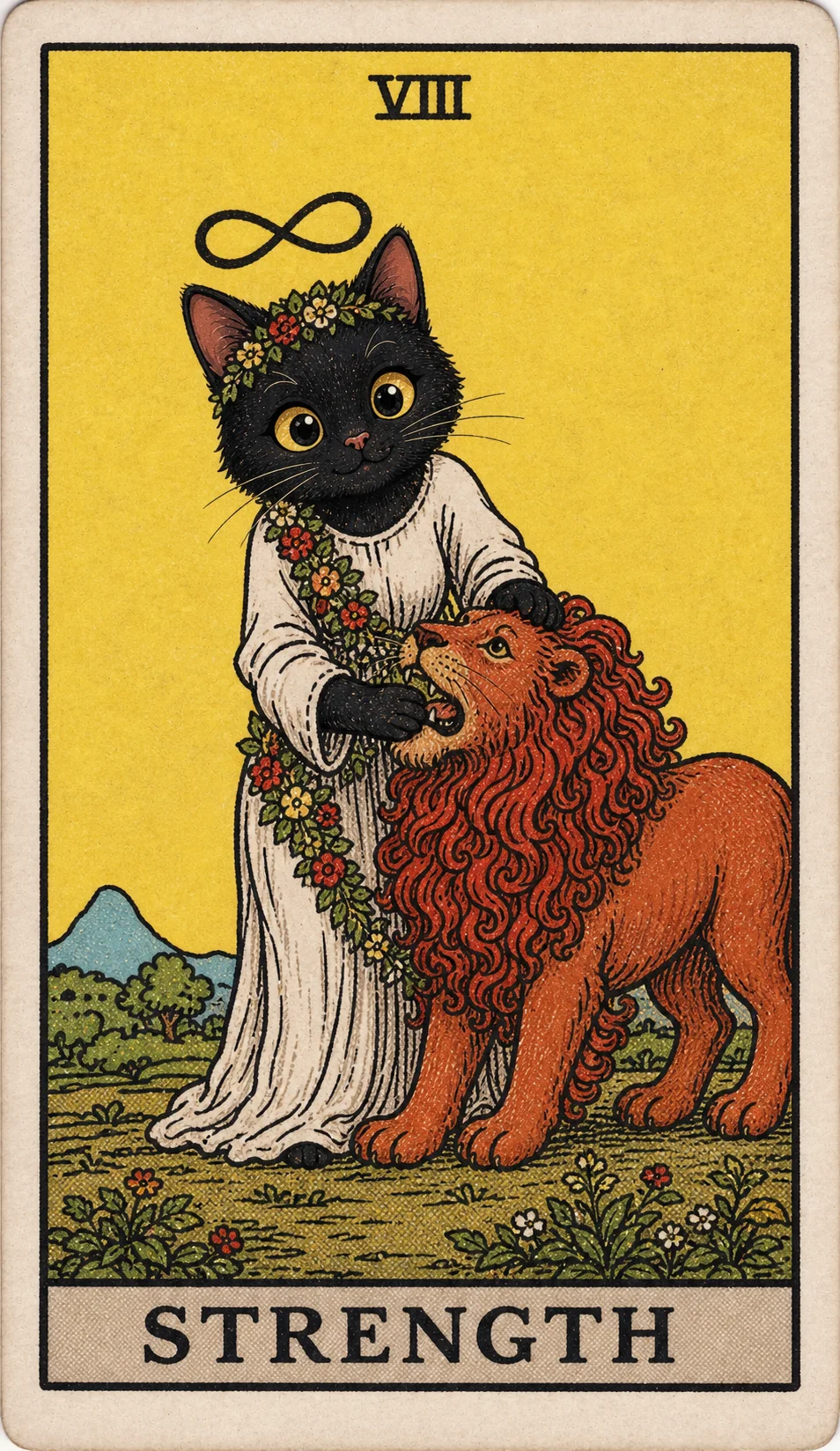
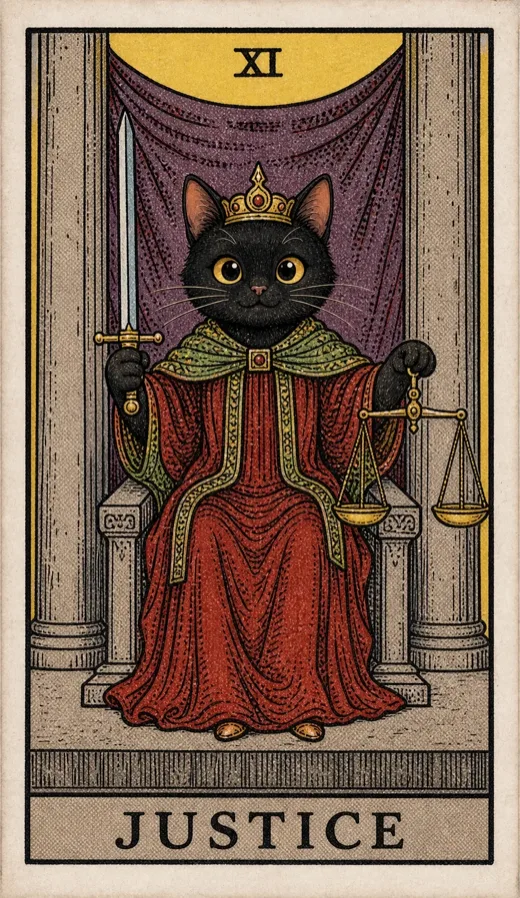
Marseille: the old pattern
The Tarot de Marseille is a woodcut design standardized by French printers in the 1600s and 1700s, and it's the pattern most European decks followed for two centuries. The 22 trumps have pictures, but the number cards don't: the Five of Cups is five cups, arranged nicely. You read those by number and suit. The suits are Batons, Cups, Swords, and Coins, the Hierophant and High Priestess are The Pope and The Popess, and Justice is numbered VIII with Strength at XI. Readers who like structure and numerology love it. Beginners usually find the number cards hard going, at least at first.
Rider-Waite-Smith: the one everyone teaches
Published in 1909, directed by Arthur Edward Waite and drawn by Pamela Colman Smith. The big change was a full scene on all 56 Minor Arcana, so the cards teach their own meanings. Waite also swapped Strength to VIII and Justice to XI so the trumps lined up with his astrological correspondences, and renamed The Pope and The Popess to The Hierophant and The High Priestess. Most modern decks, and most lessons, follow this pattern, which is why it's the right first deck; the case is made in the best tarot deck for beginners. The history of tarot has the fuller timeline.
Thoth: the deep end
Aleister Crowley and the painter Lady Frieda Harris made the Thoth deck between 1938 and 1943; it wasn't published as cards until 1969. It's gorgeous and dense. Pentacles become Disks. The court is Princess, Prince, Queen, and Knight, with the Knight at the top. Several trumps are renamed: Justice is Adjustment, Strength is Lust, Temperance is Art, Judgement is The Aeon, The World is The Universe, and The Magician is The Magus. The number cards carry a printed keyword ("Strife", "Abundance") instead of a scene, and every card is tied to an astrological and Qabalistic correspondence that Crowley's companion book explains at length. It's a rewarding second or third deck, not a first one.
Side by side
| Marseille | Rider-Waite-Smith | Thoth | |
|---|---|---|---|
| Date | 1600s to 1700s pattern | 1909 | Painted 1938 to 1943, published 1969 |
| Number cards | Suit symbols only, no scenes | A scene on every card | Suit symbols plus a printed keyword |
| Strength and Justice | Justice VIII, Strength XI | Strength VIII, Justice XI | Lust XI, Adjustment VIII |
| Court cards | Page, Knight, Queen, King | Page, Knight, Queen, King | Princess, Prince, Queen, Knight |
| Suits | Batons, Cups, Swords, Coins | Wands, Cups, Swords, Pentacles | Wands, Cups, Swords, Disks |
| Learning curve | Medium: pips read by number and suit | Gentlest: the pictures teach | Steepest: assumes astrology and Qabalah |
Which should you learn?
- Start with Rider-Waite-Smith or any deck that keeps its scenes. Your books, your apps, and our 78 card meanings all describe those pictures.
- Add Marseille if you enjoy reading by number and suit and want a taste of the older tradition.
- Add Thoth when you want to go deep on correspondences. Learn the basics first, then let it stretch you.
The good news: the structure is shared. 78 cards, 22 trumps, four suits, four courts. Learn it once and every system is a translation, not a fresh start. The rest of choosing and owning a deck is in the tarot deck guide.
The three decks in the Toe Bean Tarot app all follow the Rider-Waite-Smith pattern (Toe Bean Waite, the public-domain 1909 Waite-Smith, and Salty Bean), so switching decks is the thing it does for you without changing what you've learned. Its card scanner also reads paper Waite-Smith-style decks best (Android only).
Quick answers
What is the difference between Rider-Waite and Thoth?
Rider-Waite-Smith puts a plain scene on every card and is the deck most lessons teach from. Thoth renames several cards, swaps Pentacles for Disks, restructures the courts, and layers in astrology and Qabalah. Deeper, and harder to start on.
Is the Marseille tarot harder to read?
A little, at first. Its number cards show only suit symbols, so you read them by number and suit. Readers who like structure find it fast once it clicks.
Can I use Rider-Waite meanings with a Marseille deck?
Mostly. The trumps and courts line up well (mind the Strength and Justice numbers). The number cards lean on numerology and suit, so expect some translation.
Which tarot deck should I learn first?
Rider-Waite-Smith, or any modern deck that keeps its scenes. Marseille second if you like pattern reading, Thoth once you know the basics.