
Articles · Lessons
The Tarot Deck Interview Spread: Six Questions for a New Deck
A tarot deck interview spread is a short reading you do the first time you open a new deck, where the questions are about the deck itself. Six cards, six positions, ten minutes. It won't tell you anything mystical about the cardstock, but it makes you look closely at six cards and think about how you'll use the deck, which is the whole point of the exercise.

The six positions
- Tell me about yourself. The deck's overall personality.
- What are your strengths? What kind of question it's good for.
- What are your limits? Where it'll be less helpful.
- What are you here to teach me? The lesson this deck brings.
- How can we work together best? Practical habits: daily draws, big spreads, journaling.
- Where is this relationship heading? The outcome card.
How to do it
- Look through all 78 cards in order first. Notice the artist's choices, the cards that surprise you, and the ones you already like. That's half the interview done before you shuffle.
- Shuffle however you like (four methods here), and lay six cards in a row or two rows of three.
- Read each card in its position. Say what you see in the picture before you check the meaning. It's the same skill as any three-card spread, just with a deck as the subject.
- Write it down. A page in your journal with the date and six cards is a nice thing to find a year later. Tarot journaling explains why it's worth the two minutes.
A sample interview
- 1. About yourself: The Magician. Skill and willpower turning ideas into action. A deck that likes practical, do-something questions.
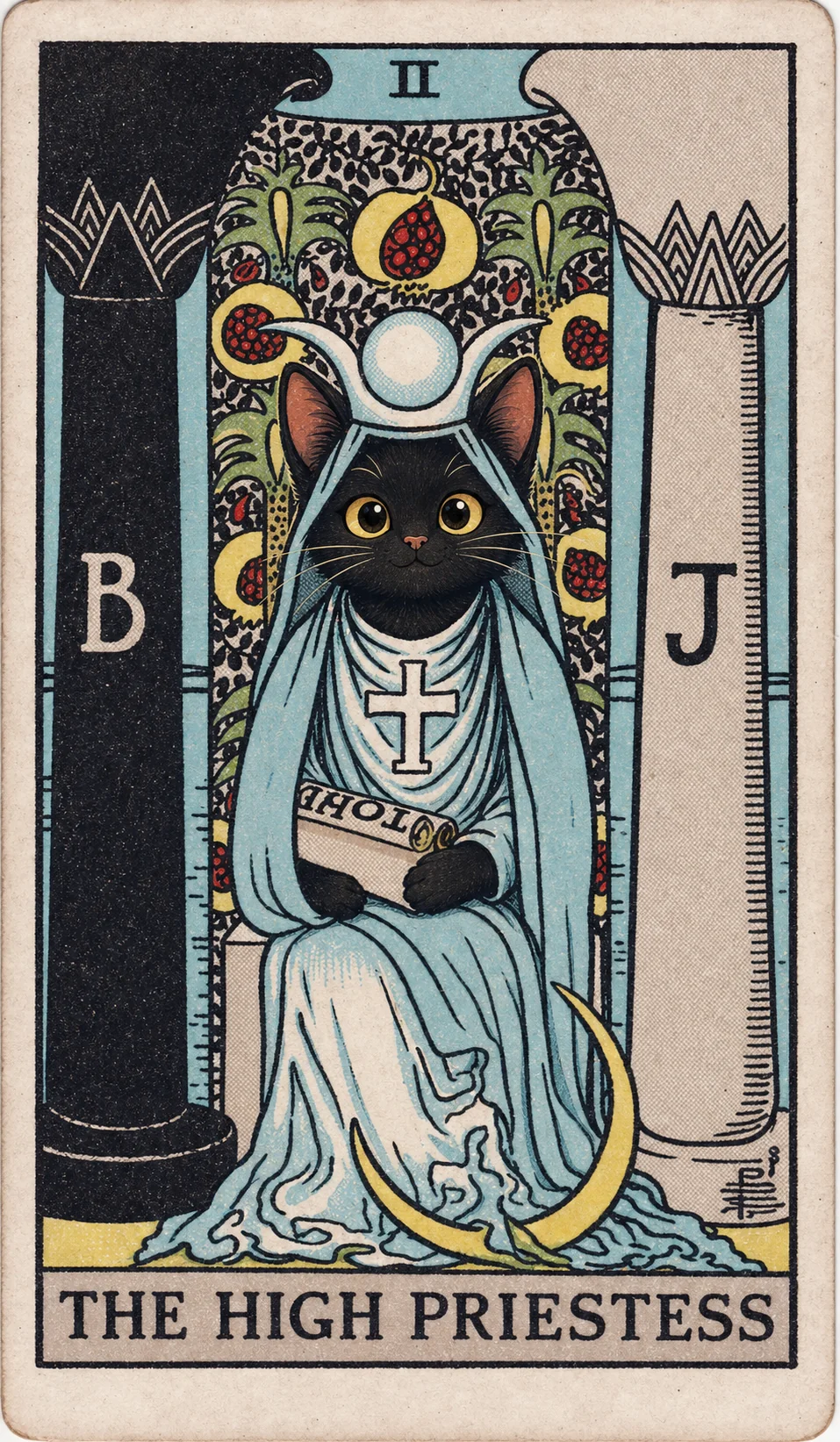
- 2. Strengths: The High Priestess. Hidden knowledge and quiet intuition. Good for the questions you can't quite put into words.
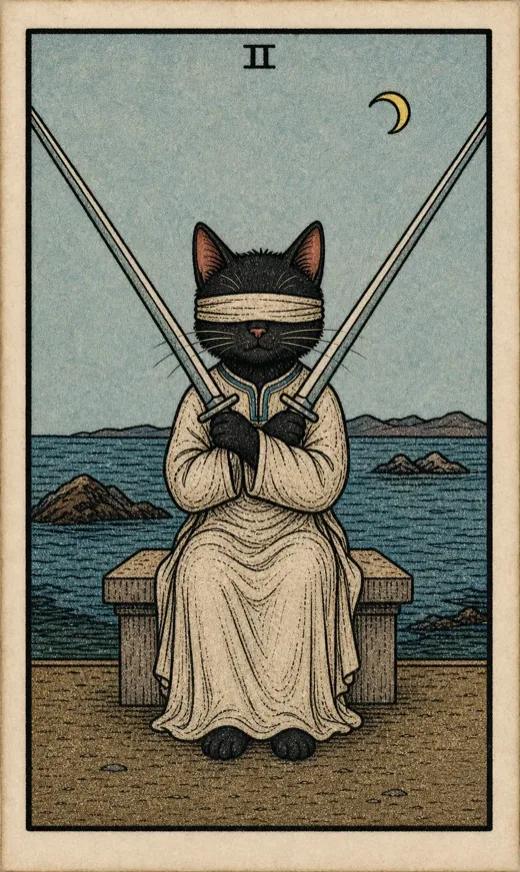
- 3. Limits: Two of Swords. A stalled decision held in tense balance. Don't expect it to force a choice you're avoiding; it'll hand the choice back to you.
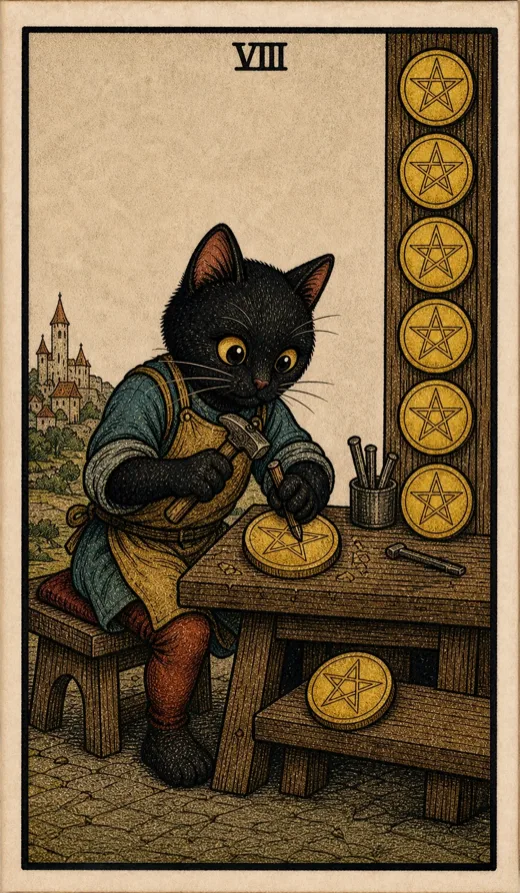
- 4. Here to teach: Eight of Pentacles. Focused craftsmanship and steady skill-building. This deck rewards showing up daily.
- 5. Working together: Temperance. Balance and the calm middle path. Small regular readings over dramatic ten-card ones.
- 6. Where it's heading: The Star. Hope, healing, and renewal. A good sign for a long friendship.


Read the six as one paragraph, not six bullets: a practical deck with a quiet intuitive streak, that won't make decisions for you, wants a daily habit, and is in it for the long haul. That's a deck you know how to use.
Where the spread comes from
It's a modern invention, popular since readers started sharing spreads online, and there's nothing ancient about it. That doesn't make it less useful. Any spread is a list of questions with a seating chart, and these six questions are good ones. If you want a fresh start before the interview, cleansing the deck first is a common pairing; the rest of owning a deck is in the tarot deck guide.
Interviewing a digital deck works too. The Toe Bean Tarot app has three decks to switch between, and every reading saves to the journal automatically, so the interview is the thing it keeps for you (Android only).
Quick answers
What is a tarot deck interview spread?
A short reading with a new deck where the questions are about the deck itself: what it's like, what it's good at, where it's limited, and how to work with it. Usually six cards.
Do you have to interview every new tarot deck?
No. It's a modern ritual, not a rule. It's a pleasant way to look closely at a new deck and decide how you'll use it.
Can you interview a deck you've had for years?
Yes. Readers do it when a deck has sat unused, or when they want to rethink what they use it for.