Articles · Culture
Why Tarot Is Having a Moment (Again)
Tarot is so popular right now because it gives people a structured way to think about their own lives using pictures, and because it spreads on whatever media happens to be new. That's the short answer. The longer one is that this has happened before, more than once, and the reasons rhyme every time.
This has happened before
- 1781, Paris. Antoine Court de Gébelin announced that tarot, until then a card game, was secretly a book of Egyptian wisdom. He was wrong, but fashionable Parisians were charmed, and tarot got its first moment as something more than a pastime.
- 1909, London. The Rider-Waite-Smith deck arrived with a full scene on every card, drawn by Pamela Colman Smith. For the first time, anyone could look at a card and read it like a picture book. It's still the deck most people picture when they hear the word.
- The 1970s. US Games Systems began publishing that deck in the United States in 1971, and tarot moved out of specialty shops and into ordinary bookstores, shelved next to the rest of the counterculture.
- Now. Same cards, new channel. For the whole arc from card game to today, read our brief, true history of tarot.
Why tarot is popular now
Six reasons, none of them mysterious.
- Short video. Tarot is visual and quick to demonstrate. A one-card pull fits in a 30-second clip, which is why it travels so well on TikTok, Instagram, and YouTube. Every wave has ridden a new medium; this one rides vertical video.
- Spirituality without a creed. The Pew Research Center has documented a decades-long rise in the share of US adults with no religious affiliation. Plenty of those people still want ritual and reflection. Tarot offers both and asks you to believe nothing in particular, which we unpack in is tarot a religion?
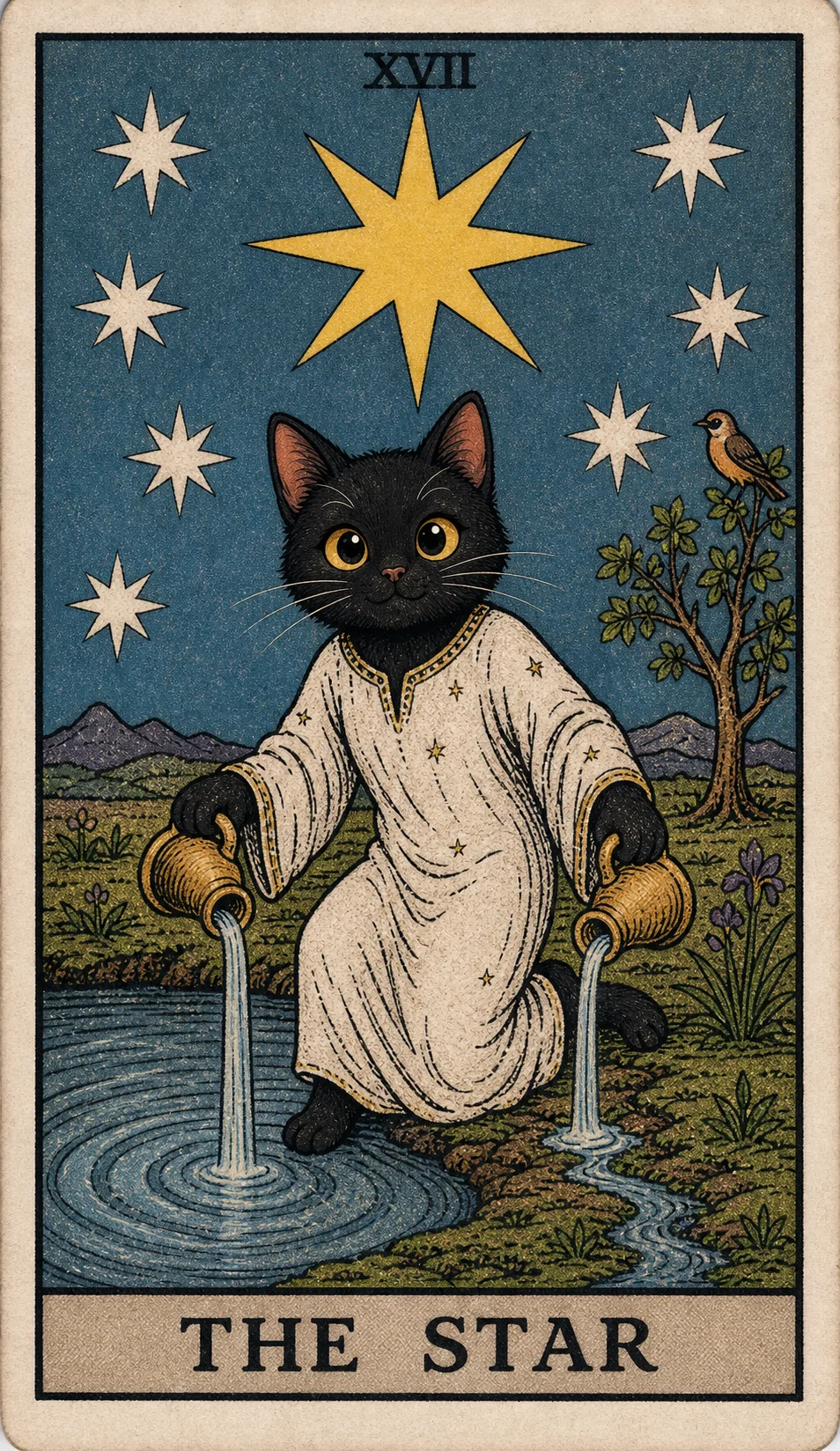
- The language of journaling and mental health. Tarot slots neatly next to habits people already have: journaling, mindfulness, homework from a therapist. A card is a prompt. "What is the Star asking me today" is a journaling question with a picture attached, and tarot journaling is how a lot of people use the cards now.
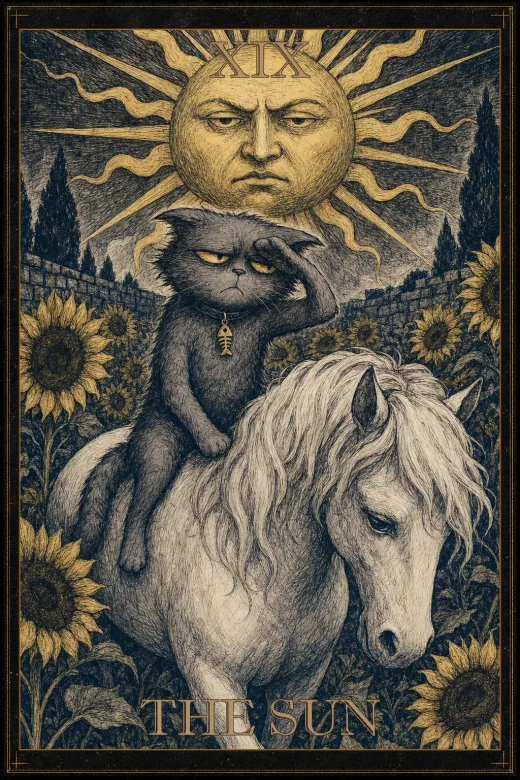
- Decks that look like the people buying them. Crowdfunding made small print runs possible, so thousands of independent decks exist now, with far more variety in art style and in who appears on the cards. There's a deck for nearly every taste. Including, yes, cats.
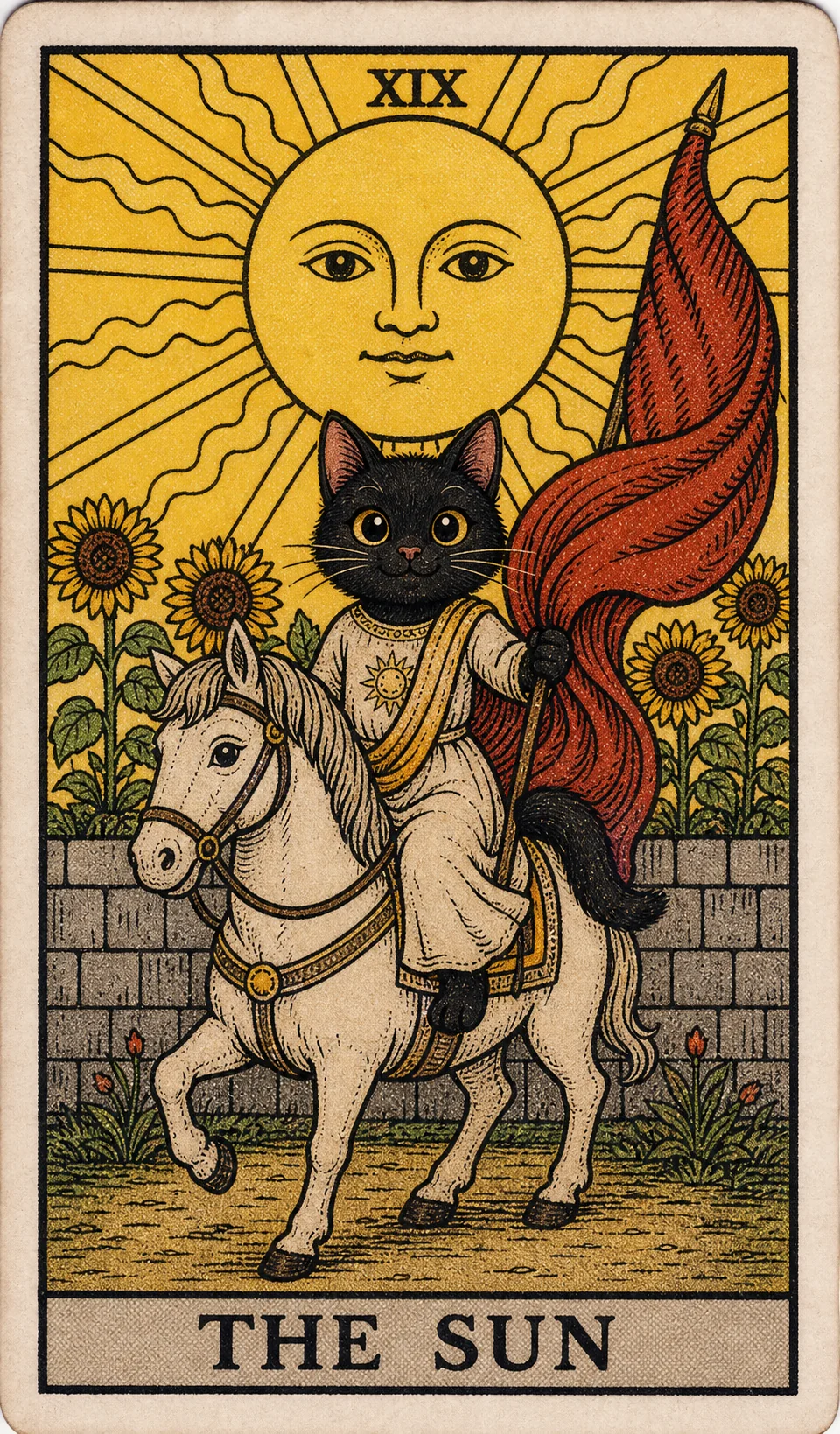
- Games and pop culture. Tarot imagery turns up in video games, shows, and fashion, so the cards feel familiar before anyone buys a deck. Most people half-recognize the Sun and the Star already.
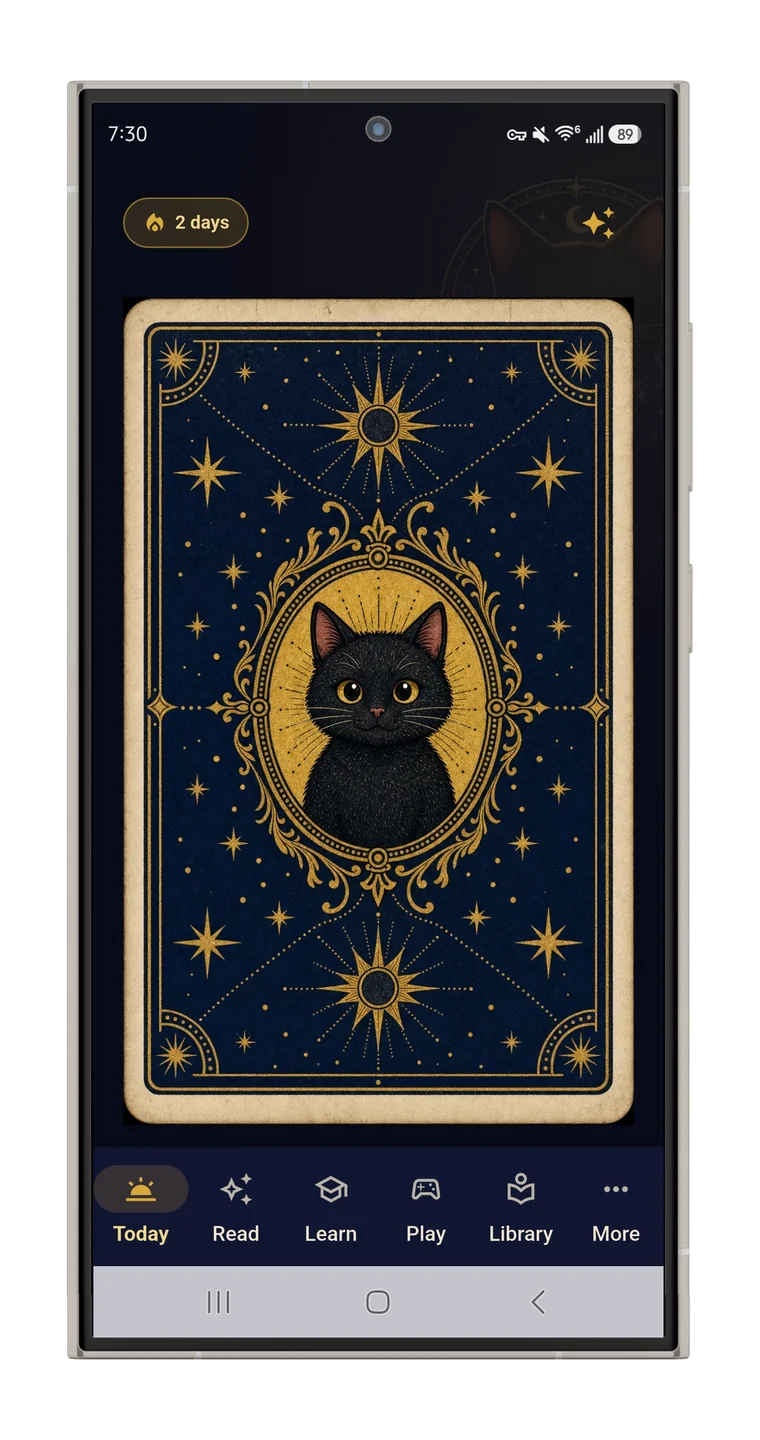
- A deck in every pocket. Apps made the daily pull easy, and daily is where a curiosity turns into a practice. Our roundup of the best tarot apps covers the field.
Why it feels like it works
Part of tarot's staying power is that readings tend to land, and there are good, ordinary reasons for that. We lay them out in why tarot readings feel accurate, so we won't repeat them here.
The part that never goes away
Strip away the medium and the aesthetics, and what's left is a person looking at a picture and asking what it says about their week. That need didn't start with short video and it won't end when short video does. The Sun (joy, clarity, a genuinely good day) and the Star (hope and renewal after the storm) have meant roughly that for as long as they've had pictures on them, and people keep wanting to draw them.
The trick is turning a moment into a habit: one card, most days, with a line in a journal. That's the thing the Toe Bean Tarot app is built around: a daily card, a journal that fills itself, and Insights that show you which cards keep turning up (Android only). And if you'd rather start from the beginning, our complete beginner's roadmap is the door.